The 60-Second Ballroom Test: How to Audit Sound Quality with Your Own Ears
2 min read
When sitting in a large hotel ballroom during an event rehearsal, a non-technical event organiser’s default instinct when speech sounds muddy or unclear is to say: “Can we just turn the volume up?”. However, increasing the volume on a flowed audio layout simply makes the confusion louder. If an audience cannot clearly understand individual words, forcing more volume into the space will not fix the problem.
As a Marketing Manager or HR Director, your brand reputation is tied to stage clarity. To protect your leadership team before the doors click open, you must use your own ears to audit the setup during soundchecks. Walk directly to the back row of your seating chart (the acoustically challenging zone under low ceilings or near rear corners) and listen for these three warning signs:
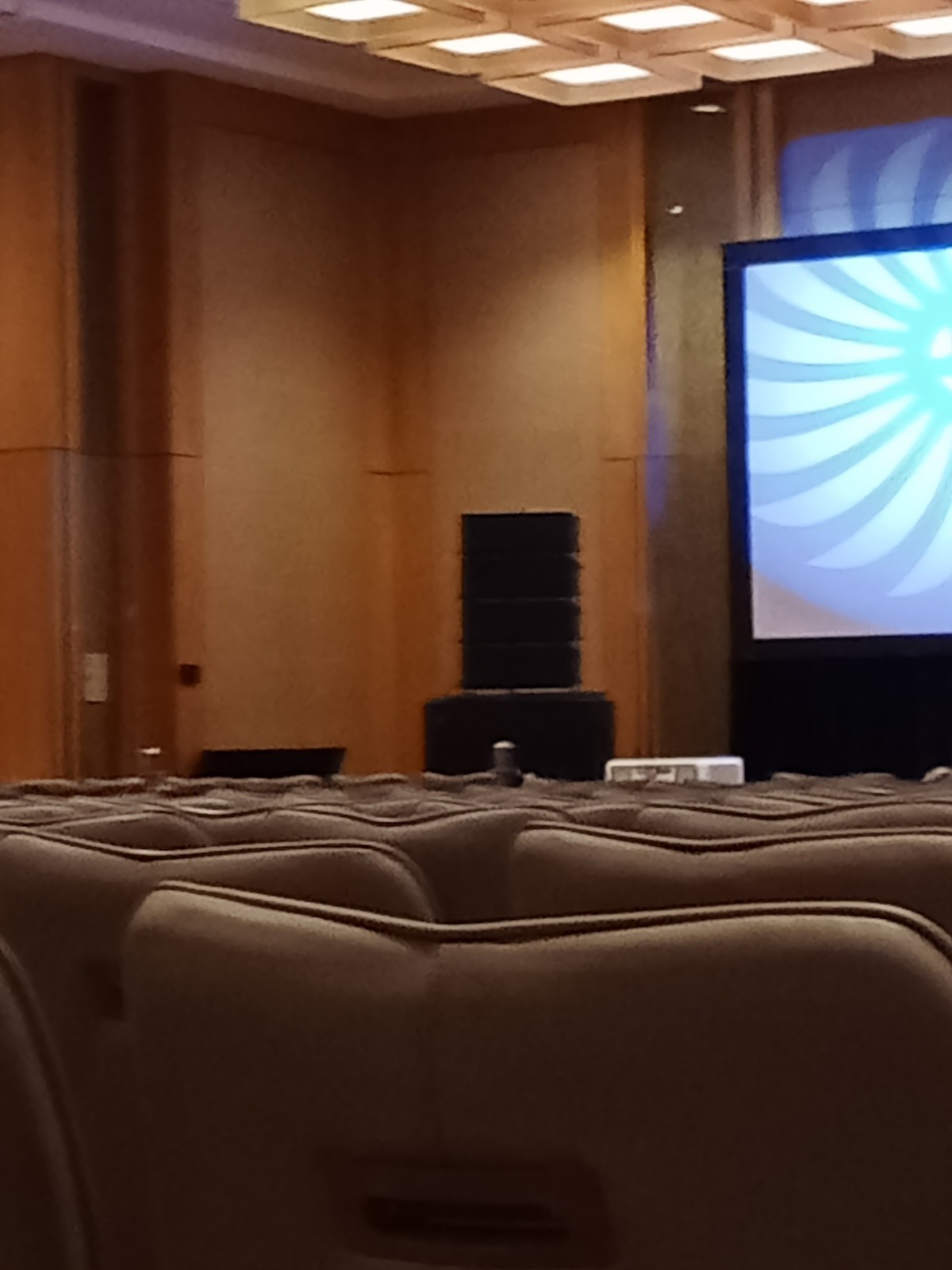
Muffled Speech: You can hear the booming volume of the voice, but individual syllables drop out. This means the speaker boxes are sitting too low on the floor, blasting the front row while using human bodies as acoustic walls that block the sound from reaching the back. This goes the same for standing audience also.
The Low Drone: A steady, deep humming sound vibrating through the room. This indicates that the vendor has failed to isolate their audio system from the venue’s lighting power lines or industrial machines like air conditioning grids. The drone, also called hum could be the result of poorly maintained cables, or a miss-match of the right type of signal cables.
The Squeal: A sharp, sudden whistle that makes the room jump. This means a microphone has traveled too close to a speaker creating a loop, a clear sign that the vendor has not calibrated the system for the room.
When you hear these issues, do not demand more volume. Instruct the technical lead directly to adjust speaker angles, elevate the equipment past head height, or isolate their power supply lines.
Watch out for this.
Issues such as broken loudspeakers with muffled sound, is not as easily identifiable by inexperienced personnel. It’s at this point what response to the issue the vendor presents is very difficult to verify it’s legitimacy. This is what is highlighted in the time-boxing frameworks included in the workbooks, so that listening tests are conducted by you early in the process, so that there may be time to replace faulty assests.